Book Appointment Now
Gastro Endrology
Our Gastroenterology department is equipped with sophisticated Endoscopy suites enabling high end and complex diagnosis and therapeutic procedures. Our Gastrointestinal treatments combine joint medical and surgical approach of diagnosis, prevention & treatment of liver, pancreatic and gastrointestinal disorders.
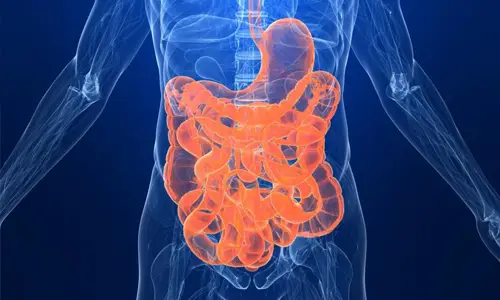
The department focuses on diagnosis and care of diseases involving the esophagus, stomach, liver, gallbladder, small intestine and large intestine and pancreas.
We treat Gastro intestinal disorders like –
- Peptic ulcer disease
- Complex luminal diseases
- Oesophageal disorders
- Open surgical procedures
Liver disorders like –
- Gall bladder stones, cancer
- Viral hepatitis & infection autoimmune diseases
- Hepatic encepahalopathy, hepatorenal syndrome, hepatocellular cancer
- Assessment for liver transplant
- Follow up of post liver transplant
Our expert endoscopists make perfect diagnosis thereby making possible of the right treatments to the patients.
Gastroenterology Hospital in Madurai: stomach, liver and digestive care
Digestive problems are among the most common reasons people see a doctor, and they are often brushed off as “gas” or “acidity”. Many are minor. Some, such as ulcers, gallstones, hepatitis and bowel disease, need proper tests and treatment.
!
A few signs, like black stools or yellow eyes, should never be ignored. See the urgent symptoms list below.
The digestive system
At Sumathi Hospital
The gastroenterology department
The gastroenterology department at Sumathi Hospital has endoscopy suites for diagnostic and therapeutic procedures.
It takes a joint medical and surgical approach to liver, pancreatic and gastrointestinal disorders.
Your first visit to the gastroenterology department
Endoscopy
The hospital has endoscopy suites for diagnostic and therapeutic procedures.
Approach
A joint medical and surgical approach to liver, pancreatic and gastrointestinal disorders.
Location
334-A, Anna Nagar, Madurai 625020.
Symptoms
Signs worth getting checked
These symptoms have many causes, from food and stress to conditions that need treatment. A proper assessment is the only way to tell them apart.
| What you notice | What it may point to | Other common causes |
|---|---|---|
| Burning in the chest or upper abdomen, sour taste, symptoms after meals or when lying down | Acid reflux (GERD), gastritis, peptic ulcer | Large or late meals, spicy food, stress |
| Upper abdominal pain, nausea, bloating, feeling full quickly | Gastritis, peptic ulcer, H. pylori infection, functional indigestion | Eating habits, stress, some medicines |
| Difficulty or pain swallowing, food sticking | Oesophageal disorders such as reflux damage or narrowing | A sore throat, eating too fast |
| Black, tarry stools or vomiting blood | Bleeding from an ulcer or the food pipe Urgent | Iron tablets or some foods can darken stools, but blood must be ruled out |
| Change in bowel habit, blood in stool, unexplained weight loss | Bowel conditions including inflammatory bowel disease, polyps and cancer | Piles, infection, diet changes |
| Long-standing diarrhoea, constipation or cramps | Irritable bowel syndrome, inflammatory bowel disease, coeliac disease | Diet, infection, medicines |
| Yellow eyes or skin, dark urine, pale stools | Hepatitis, gallstones, bile duct or liver disease | Fasting, some medicines |
| Pain in the upper right abdomen, worse after fatty meals | Gallstones | Reflux, muscle strain |
| Swollen abdomen or legs, confusion, drowsiness in someone with liver disease | Advanced liver disease (cirrhosis) and its complications | Kidney or heart problems |
| Severe upper abdominal pain spreading to the back, with vomiting | Pancreatitis or gallstone complications Urgent | Severe indigestion |
| Tiredness, itching, or abnormal liver tests found on a routine check | Hepatitis, medicine-related liver injury | Alcohol, some herbal or traditional products |
Urgent symptoms: do not wait
Get medical help immediately for any of these.
- Vomiting blood, or passing black, tarry or bloody stools.
- Severe abdominal pain that does not ease, or a hard, tender abdomen.
- Yellow eyes or skin together with fever and shivering.
- Confusion or unusual drowsiness in someone with liver disease.
- Severe repeated vomiting with inability to keep fluids down, or signs of dehydration.
- Food or an object stuck in the food pipe, or being unable to swallow your own saliva.
Upper digestive tract
Stomach and food pipe conditions
Burning, pain or discomfort in the upper abdomen is common. The cause decides the treatment.
Food pipe
Acid reflux (GERD) and oesophageal disorders
Stomach acid flowing back can cause burning, a sour taste and, over time, damage or narrowing. Lifestyle changes and acid-reducing medicines help many people.
Trouble swallowing, weight loss or vomiting blood needs an endoscopy.
Stomach
Gastritis and peptic ulcer disease
Ulcers are sores in the lining of the stomach or the first part of the small bowel. The most common causes are infection with a bacterium called H. pylori and regular use of certain pain-relieving medicines, rather than spicy food or stress alone.
Treatment usually combines acid-reducing medicines with a short course of medicines to clear the infection if it is found.
Lower digestive tract
Bowel conditions
Most bowel symptoms are not dangerous, but bleeding, weight loss or night-time symptoms always need checking.
- 01
Irritable bowel syndrome and constipation
Common and not dangerous, but other conditions must be ruled out first, especially if there is bleeding, weight loss or night-time symptoms.
- 02
Complex luminal diseases
Complex luminal diseases include conditions affecting the digestive tract, such as inflammatory bowel disease (Crohn’s disease and ulcerative colitis). These conditions require specialist diagnosis and long-term care.
Liver
Liver conditions
The liver often causes no symptoms until it is badly damaged, so tests matter.
Liver conditions listed on the hospital’s website:
Viral hepatitis and infectionAutoimmune liver diseaseGallbladder stones and cancerHepatic encephalopathyHepatorenal syndromeHepatocellular cancer
InfectionViral hepatitis
Hepatitis A and E spread through contaminated food and water. B and C spread through blood and body fluids. Hepatitis B can be prevented by vaccination, and effective antiviral treatment is available for B and C. Hepatitis C can be cured in most people.
Long-term damageCirrhosis and its complications
Long-term damage scars the liver. Complications such as confusion (hepatic encephalopathy) and kidney failure (hepatorenal syndrome) need urgent hospital care. People with cirrhosis are usually advised to have regular scans to look for liver cancer.
Tell Our doctorMedicines and herbal products
Some painkillers, herbal and traditional preparations, and alcohol can injure the liver. Tell Our doctor everything you take and drink.
Bile and pancreas
Gallbladder and pancreas
Upper right or central abdominal pain, especially with jaundice or vomiting, should be assessed.
Gallstones
Often found by chance and cause no trouble. When they cause repeated pain, infection or jaundice, treatment is usually advised, often by removing the gallbladder.
Pancreatitis
Inflammation of the pancreas, most often from gallstones or alcohol. It causes severe upper abdominal pain and needs hospital care.
Gallbladder cancer
Uncommon but serious. Persistent upper right abdominal pain, jaundice or weight loss should be assessed promptly.
Evaluation
Tests and procedures explained
Your symptoms decide which tests are useful. Not everyone needs all of them.
- 01Symptoms
- 02Assessment
- 03Tests
- 04Diagnosis
- 05Treatment
- 06Follow-up
Camera test
Endoscopy
A thin, flexible camera is used to look inside the digestive tract, and small samples (biopsies) can be taken. The hospital has endoscopy suites for diagnostic and therapeutic procedures.
ScansOften first
Ultrasound and other scans
Ultrasound is often the first test for the liver, gallbladder and pancreas. CT or MRI scans are used when more detail is needed.
Lab
Blood and stool tests
Liver function tests, hepatitis tests, blood counts, and tests for H. pylori infection or hidden blood in the stool.
Preparing for an endoscopy
- FastingFollow the fasting instructions you are given. An empty stomach or bowel is needed for a clear view and for safety.
- MedicinesTell the team about all your medicines, especially blood thinners and diabetes medicines. Do not stop them without advice.
- SedationIf you have sedation, arrange for an adult to take you home, and do not drive for 24 hours.
The right specialist
Gastroenterologist, physician or surgeon: who should you see?
Several professionals look after digestive and liver problems. This is how their roles usually differ.
Gastroenterologist
Diagnosis and medical treatment of digestive and liver problems, and endoscopy.
Hepatologist
A liver specialist. In many hospitals the gastroenterologist also treats liver disease.
GI or general surgeon
Operations on the digestive system, such as gallbladder removal.
General physician
A good first step for common symptoms. They can start treatment or refer you.
Dietitian
Helps with diet in reflux, bowel disorders and after surgery.
Checklist
What to bring to your first visit
Earlier reports help avoid repeating tests. Tick items off as you gather them.
Reports and medicines
Your history
Why Sumathi Hospital
Digestive care within a multi-speciality hospital
Digestive and liver problems often need other support.
Alongside gastroenterology care, Sumathi Hospital also provides services across the following departments:
AnaesthesiaGeneral surgeryRadiology
Facilities:
- Operation theatre
- Ultrasound
- X-ray
- 24-hour laboratory
- 24-hour pharmacy
Planning ahead
What affects the cost of gastroenterology care
Costs depend on the condition and the tests or treatment needed. Your actual cost depends on what is clinically required.
They may include:
- consultation and follow-up visits
- blood tests, stool tests and scans
- endoscopy, with or without sedation
- long-term medicines, such as for hepatitis or bowel disease
- hospital stay or surgery, if needed
FAQs
Gastroenterology hospital in Madurai: frequently asked questions
When should I see a gastroenterologist?
See one if you have heartburn or indigestion that keeps returning, trouble swallowing, long-standing bowel changes, blood in the stool, yellow eyes, unexplained weight loss, or an abnormal liver test. Black stools or vomiting blood need urgent care.
Is acidity the same as an ulcer?
No. Acidity or reflux is stomach acid flowing upward and causing burning. An ulcer is a sore in the lining of the stomach or small bowel. Both cause upper abdominal symptoms, and an endoscopy can tell them apart.
What causes a stomach ulcer?
Most stomach ulcers are caused by H. pylori infection or regular use of certain pain-relieving medicines. Spicy food and stress may worsen symptoms but are not the usual causes.
Is endoscopy painful or safe?
Endoscopy is generally a safe and well tolerated procedure. Some patients may experience mild discomfort. Throat spray or sedation may be used when appropriate. Although serious complications are rare, our doctors will explain the possible risks before the procedure.
Do I need to fast before an endoscopy?
Yes. You will be told how long to avoid food and drink. Follow the instructions exactly, and tell the team about your medicines.
What are the signs of liver problems?
Early liver disease often has no symptoms. Later signs include yellow eyes or skin, dark urine, swelling of the abdomen or legs, itching, and tiredness. Blood tests and an ultrasound can show problems early.
Is hepatitis curable?
Hepatitis B can be prevented by vaccination and controlled with treatment. Hepatitis C can be cured in most people with antiviral medicines. Hepatitis A and E usually clear on their own. Our doctor will advise which applies.
Do all gallstones need surgery?
No. Stones that cause no symptoms are often left alone. Stones that cause repeated pain, infection or jaundice are usually treated, often by removing the gallbladder.
A proper assessment
Digestive and liver care in Madurai starts with a proper assessment
If digestive symptoms keep returning, or a test shows a liver problem, a proper assessment can show whether there is a treatable cause. Bring any earlier endoscopy, scan or blood test reports.
To arrange a gastroenterology consultation in Madurai, contact Sumathi Hospital, 334-A, Anna Nagar, Madurai 625020.
Address
334-A, Anna Nagar,
Madurai 625020, Tamil Nadu
24/7 Emergency+91 735 880 0889
Medical disclaimer: This page is for general information and does not replace advice from Our doctor. Diagnosis and treatment depend on your individual assessment. In an emergency, seek medical help immediately.
